
Anchor Group Services were delivering high-quality, complex facilities management services across the built environment – but, like many FM businesses, they faced a familiar challenge.
The work on the ground was strong. The experience was strong.
But the wider market didn’t always see the full picture.
As COO Alex puts it, Anchor often felt like “everyone’s best kept secret.”
Conversations regularly started with explanations – of who they were, what they did, and why they were different – rather than meaningful discussions about fit, capability, and opportunity.
Anchor didn’t need more noise.
They needed clarity, consistency, and credibility – built over time.
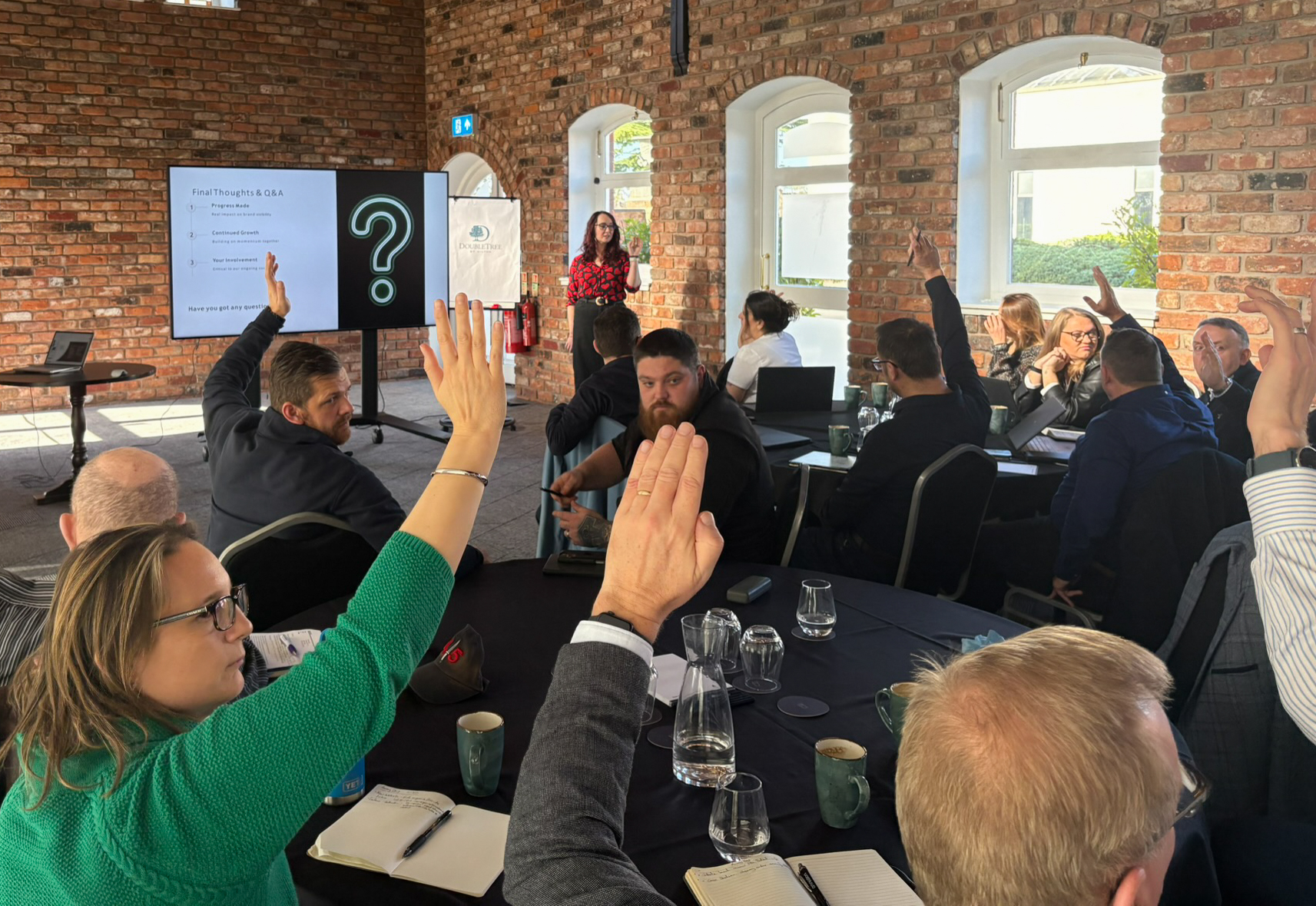
Rather than focusing on individual marketing outputs, Offbeat worked with Anchor to build a joined-up marketing system – one where every channel reinforced the same story.
The focus wasn’t on short-term wins or isolated campaigns, but on shaping how Anchor was perceived across the market.
This meant:
Alex describes the difference clearly:
“The big differentiation for me is absolutely the holistic view. It’s not just content, it’s not just churning out LinkedIn posts – it’s web and how that complements the social.”
Rather than treating marketing as a series of tasks, Offbeat became responsible for how Anchor showed up publicly – proactively managing reputation, messaging, and visibility across channels.
Over time, something important changed.
The market began to recognise Anchor before conversations even started.
“I definitely have more conversations with people about things that they’ve seen online. I tend to be pushing more at an open door. Prospects certainly feel less cold.”
Instead of introducing the business, the team found themselves continuing conversations that were already underway – shaped by what people had seen, read, and absorbed about Anchor.
That shift had a very real commercial impact.
“We’re not knocking on doors. I couldn’t tell you the last time I picked up the phone to try and create an opportunity.”
This wasn’t driven by a single campaign or channel – but by reputational growth, built steadily through consistent, joined-up marketing.
The most telling result wasn’t a dashboard metric – it was how selling felt.
As Alex explains:
“It used to feel like we were everyone’s best kept secret… ‘I can’t believe you do all this, I’ve never heard of you.’ That doesn’t happen anymore.”
Alongside external impact, there was also a significant internal benefit.
With Offbeat owning and coordinating Anchor’s public image, leadership had greater confidence – and far less cognitive load.
“You are essentially owning our public image… that whole piece means I’ve got so much less to think about.”
Marketing stopped being something to manage – and became something the business could rely on.
The success wasn’t about chasing likes, impressions, or isolated KPIs.
It worked because:
As Alex notes, Anchor were often too close to the business to see what was truly remarkable:
“Some of the things we do are not the norm… you guys have been fantastic at picking that out and saying: we need to talk about that.”
Anchor Group Services moved from being a strong operator that few truly knew, to a business recognised for its capability, thinking, and credibility.
They no longer needed to knock on doors.
The doors were already open.

From concourses to car parks, retail streets to terminals, every place tells a story.
Discover yours and see what drives performance.
